Buying your first luxury watch is exciting, and a little overwhelming. There are dozens of brands, thousands of models, and a vocabulary of calibres, references and conditions that nobody explains. The good news: a few clear decisions narrow the field very quickly.
This guide shows you how to choose your first luxury watch in six steps, from budget to brand, so you end up with a watch you will enjoy wearing for years, not one you regret.
Step 1: Decide what the watch is for
Start with how you will actually wear it, not with a brand.
- One watch for everything? Look for a versatile design: a steel sports watch or a simple steel dress watch on a bracelet, with at least 100 m of water resistance.
- Mostly office and evenings? A slimmer dress watch with a clean dial, on a leather strap or a fine bracelet.
- Active, outdoors, water? A dive watch or a robust field watch, with a screw-down crown and high water resistance.
- Travel? A GMT, which shows a second time zone.
If you only buy one watch, versatility matters more than anything else. A steel watch on a bracelet with a clean dial works with a T-shirt and with a suit.
Step 2: Set a budget, and include the extras
Decide what you are comfortable spending before you look at listings; it makes every other decision easier. Then leave room for:
- Insured shipping, if it is not included.
- Bracelet sizing or a second strap.
- Future servicing. A mechanical watch needs a full service every several years.
Luxury watches cover a very wide range. Rather than quoting prices, which change with the market, here is a simple map of well-known brands by level. You can see live prices on each collection page.
| Level | Brands to look at | What you get |
|---|---|---|
| Entry to Swiss luxury | Tissot, Hamilton, Mido, Junghans | Swiss or German quality, strong movements with long power reserves, classic designs |
| Established luxury | Longines, Oris, Nomos, Tudor | Heritage, in-house or high-grade movements, finer finishing |
| Luxury icons | Omega, Breitling, Grand Seiko, Rolex | Famous models, in-house movements, strong demand |
| Haute horlogerie | Patek Philippe, Audemars Piguet, Blancpain | The top of the craft, with complications and hand finishing |
Step 3: Get the size right
Size is the most common regret with a first watch. Photos are misleading, so use numbers:
- Case diameter is the headline figure, but not the most important.
- Lug-to-lug length, from the tip of the top lug to the tip of the bottom lug, decides whether the watch overhangs your wrist. It should sit within the width of your wrist.
- Thickness decides whether it slides under a shirt cuff.
As a rough guide, many people find 36–40 mm comfortable, and 40–42 mm suits larger wrists or sportier tastes. The best test is a watch you already own: measure it, and compare. Our guide to the Rolex Datejust 36 vs 41 shows how much five millimetres can change a watch.
Step 4: Choose the movement
Most luxury watches are automatic: mechanical, self-winding, with a sweeping seconds hand. Some are manual-wind, like the Omega Speedmaster Moonwatch. Others are quartz: battery-powered, more accurate and lower-maintenance.
For a first luxury watch, an automatic is the classic choice, and many modern automatics run for three days or more off the wrist. If you want a watch you can pick up after a month in a drawer and it still shows the right time, quartz is a perfectly good choice. Our guide to automatic vs quartz explains the differences in detail.
Step 5: New, unworn or pre-owned?
This decision changes your budget more than any other:
- New gives you the full manufacturer's warranty from the day you buy.
- Unworn looks new, but the warranty may already have started. Check the date on the card.
- Certified pre-owned often gives you more watch for the same money, with light signs of wear.
Our guide to certified pre-owned vs unworn vs new explains each in detail. Whichever you choose, check whether the box and papers are included, because they matter when you sell or service the watch. See why box and papers matter.
Step 6: Choose a design that will last
A first luxury watch should still look right in ten years. A few principles:
- Simple dials age well. Black, white, silver, blue and grey dials go with everything.
- Steel is the most versatile material. Gold is beautiful but less of an everyday metal.
- Bracelets are more versatile than straps, and you can add a strap later.
- Avoid chasing trends. If a colour or size is suddenly everywhere, ask yourself whether you will still like it in five years.
Five great first luxury watches, by style
These are well-known, versatile models that many people start with. Check each collection for current prices and availability.
| Style | Model to consider | Why it works as a first watch |
|---|---|---|
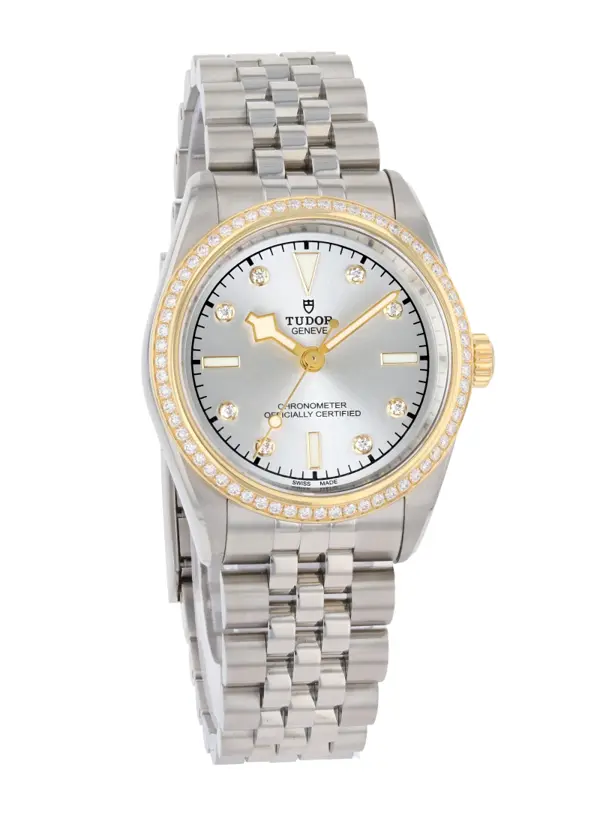
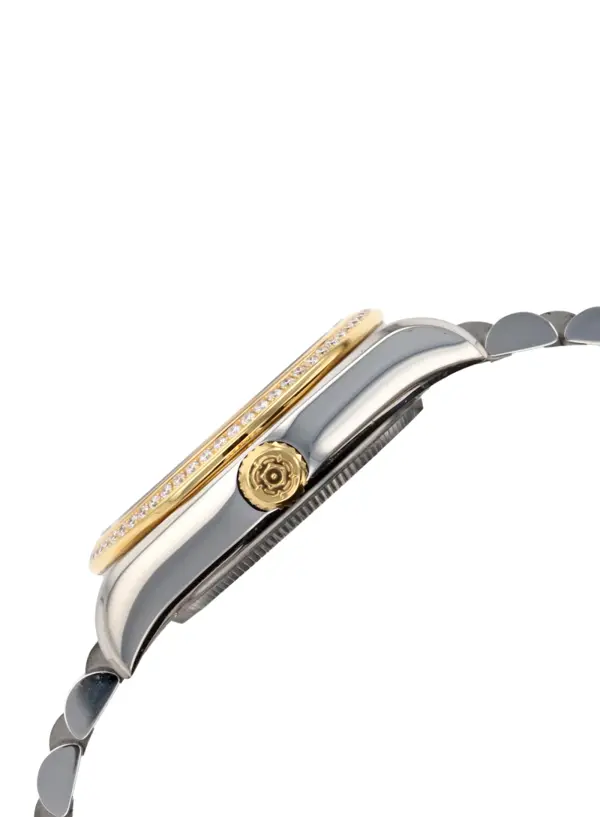
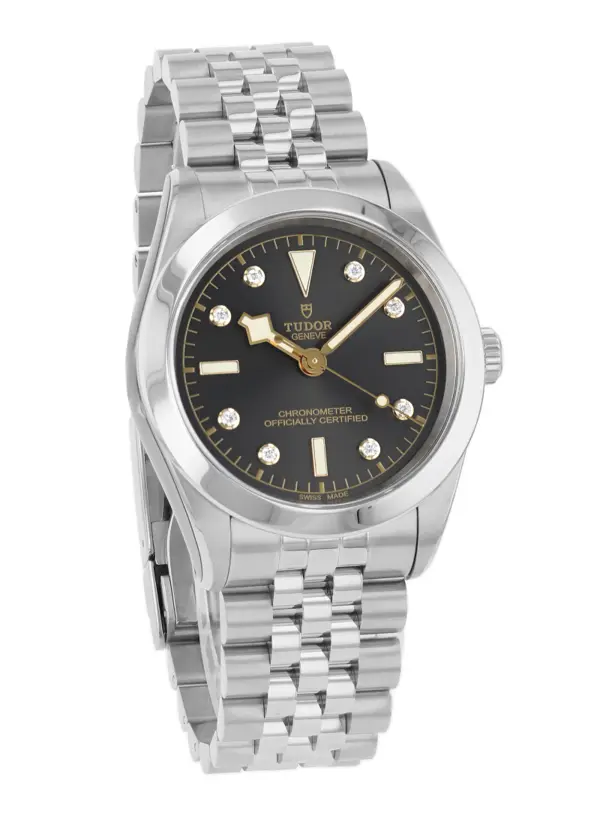
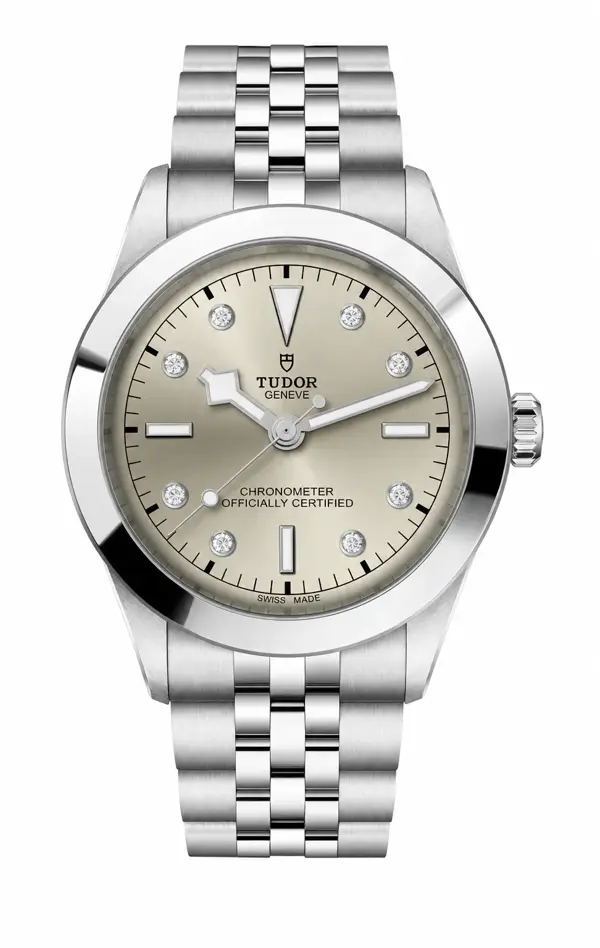
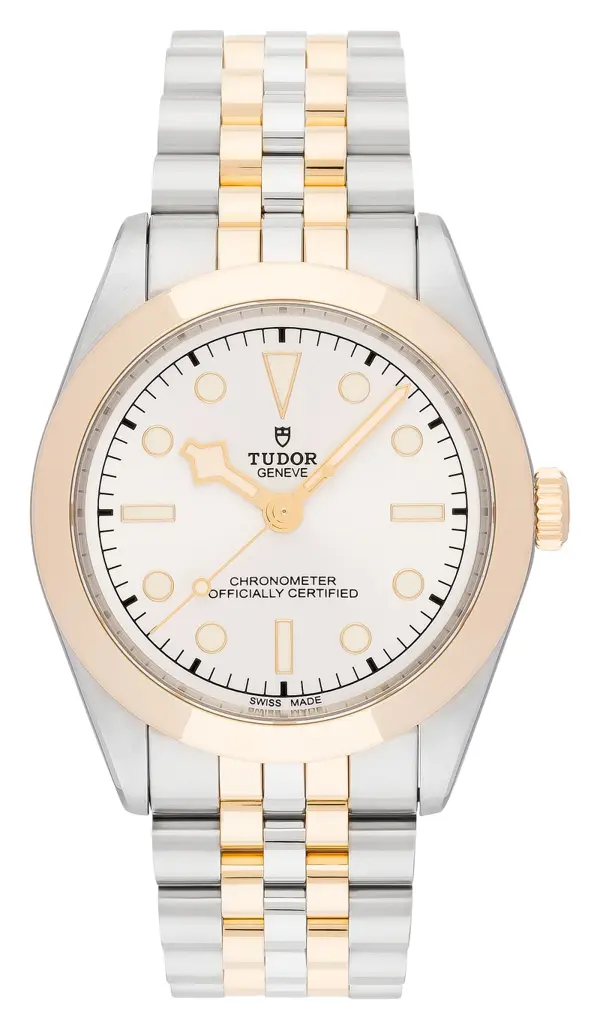
| Everyday sports | Tudor Black Bay | In-house movement, robust, versatile; a strong alternative to a Submariner |
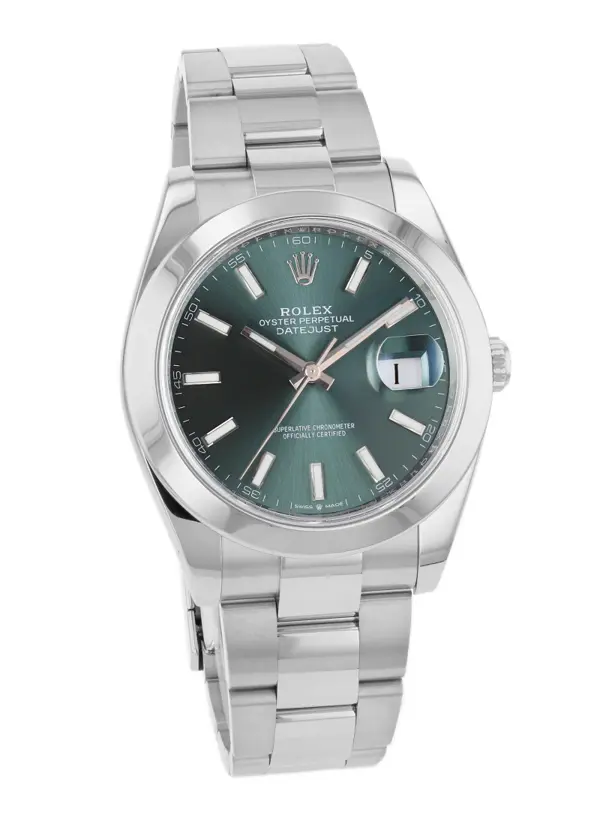
| Dress-casual | Rolex Datejust 36 | Timeless design, same movement as the larger Datejust 41 |
| Chronograph | Omega Speedmaster | Real history, many models and sizes |
| Value classic | Longines | Swiss heritage and long power reserves at an accessible level |
| Design-led | Nomos Glashütte | Bauhaus design with in-house movements |
If you are torn between two dive watches, our comparison of the Rolex Submariner vs Tudor Black Bay will help.
Common first-watch mistakes
A few mistakes come up again and again with first luxury watches. Avoiding them is easier than fixing them.
- Buying too big. A large watch looks impressive in photos but can feel heavy and catch on cuffs. If in doubt, go a size smaller.
- Buying for someone else's taste. A watch you chose because it is popular, or because a friend wears it, is harder to love than one you chose for yourself.
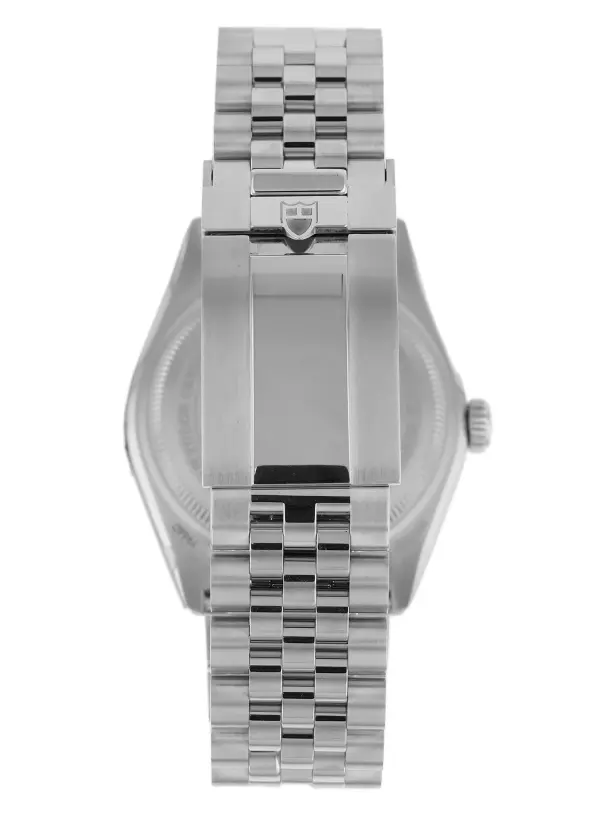
- Ignoring comfort. A good bracelet or strap matters as much as the dial. Check how the clasp adjusts.
- Forgetting running costs. A mechanical watch needs servicing. Include it in your thinking, especially for complicated watches.
- Rushing. The market will still be there next month. Take the time to compare references, conditions and sellers.
- Chasing a deal from an unknown seller. A price far below the market is the most common way first-time buyers get hurt. See how to spot a fake Rolex for the warning signs.
Thinking about the second watch
Many people find that their first luxury watch is not their last. If that might be you, choose your first watch so that it leaves room for a second:
- Start versatile. A steel everyday watch is the best foundation.
- Add contrast later. A dress watch on leather, a dive watch, or a chronograph complements a versatile first watch.
- Keep everything. The box, papers and extra links make it easier to trade up later.
Buy it safely
Once you have chosen, the buying process matters as much as the watch. Check the seller, read the listing carefully, pay with a protected method and insist on insured delivery. Our pillar guide on how to buy a luxury watch online safely walks through every step. Every watch we sell is checked by our specialist before it ships, and you can ask us anything on WhatsApp before you buy.
Frequently asked questions
What is the best first luxury watch?
The best first luxury watch is a versatile one you will wear every day: often a steel sports or dress watch on a bracelet, from a brand with a strong service network. Popular starting points include the Tudor Black Bay, Omega Speedmaster, Rolex Datejust and models from Longines.
How much should I spend on my first luxury watch?
Spend what you are comfortable with, and leave room for insured shipping, sizing and future servicing. Excellent first watches exist at every level, from Tissot and Hamilton to Rolex.
What size watch should I get?
Measure a watch you already own and compare. Lug-to-lug length matters more than diameter. Many people find 36–40 mm comfortable, and 40–42 mm suits larger wrists.
Should my first luxury watch be automatic?
Most people choose an automatic for their first luxury watch, for the craft and the sweeping seconds hand. Quartz is a good choice if you want accuracy and low maintenance.
Is it better to buy new or pre-owned?
New gives you a full warranty; pre-owned often gives you more for your budget. A certified pre-owned watch from a seller who explains its condition and inspection is a smart way to start.