Every watch is driven by a movement, and nearly every modern watch uses one of two kinds: automatic (mechanical, self-winding) or quartz (battery-powered, regulated by a quartz crystal). The choice changes how the watch feels, how accurate it is, how you look after it, and what it costs.
This guide explains automatic vs quartz watches in plain terms, with a clear recommendation for different kinds of buyer at the end.
How an automatic watch works
An automatic watch is a mechanical watch that winds itself.
- A mainspring stores energy, like a wound-up spring in a toy.
- The energy is released in tiny, regular steps by the escapement, controlled by an oscillating balance wheel. Each swing moves the hands forward a little.
- A weighted rotor turns with the movement of your wrist and winds the mainspring as you wear the watch.
There is no battery. As long as you wear it, or wind it by the crown, it runs. Take it off and it keeps going for its power reserve, then stops until you wear or wind it again. Modern automatics often run for two to five days: many current Longines, Tissot and Hamilton movements run for three days or more.
A hand-wound (manual) watch works the same way, without the rotor: you wind it by the crown every day or two.
How a quartz watch works
A quartz watch is electronic.
- A battery sends current through a tiny quartz crystal.
- The crystal vibrates at a very stable frequency.
- A circuit counts those vibrations and sends a pulse to a small motor, usually once per second, which moves the hands.
That is why the seconds hand of most quartz watches ticks once a second, while an automatic's seconds hand sweeps in many small steps.
Automatic vs quartz: side by side
| Automatic | Quartz | |
|---|---|---|
| Power | Your wrist movement (and the crown) | Battery |
| Typical accuracy | A few seconds per day | A few seconds to seconds per month |
| Seconds hand | Sweeps | Ticks once per second (on most) |
| When you take it off | Runs for its power reserve, then stops | Keeps running until the battery is flat |
| Regular care | Full service every several years | Battery change every few years; less frequent servicing |
| Sensitivity | Magnetism and shocks can affect timekeeping | Very robust in daily use |
| Price for similar quality | Usually higher | Usually lower |
| Why people love it | Craft, tradition, a small machine on the wrist | Accuracy, convenience, grab-and-go |
Accuracy: what to expect
Quartz is more accurate than mechanical, by a large margin. A typical quartz watch keeps time within seconds per month.
Mechanical watches are measured in seconds per day, and the best are certified:
| Standard | What it requires |
|---|---|
| COSC chronometer (mechanical) | Between −4 and +6 seconds per day, tested on the movement |
| Rolex Superlative Chronometer | Between −2 and +2 seconds per day, tested on the cased watch |
| Omega Master Chronometer (METAS) | Between 0 and +5 seconds per day, plus magnetic-resistance testing on the finished watch |
A good automatic that runs a few seconds fast or slow per day is working normally. You will set it now and then, especially after a weekend off the wrist.
Care and servicing
Automatic watches need a full service every several years: the movement is taken apart, cleaned, lubricated and adjusted, and the seals are replaced. Brands recommend different intervals, from several years up to about a decade for some modern movements. Signs that a service is due include a big change in timekeeping, a shorter power reserve, or a crown that feels rough.
Quartz watches need a battery every few years, and the seals should be checked at the same time if you swim with the watch. They also benefit from a service now and then, but far less often.
Water resistance depends on the case and the seals, not the movement. Whatever you choose, have the seals checked if you swim with the watch.
How to tell which one you have
If you are not sure what is inside a watch, a few quick checks usually tell you:
- Watch the seconds hand. A hand that jumps once per second is almost always quartz. A hand that sweeps in small steps is mechanical (or Spring Drive, which glides completely smoothly).
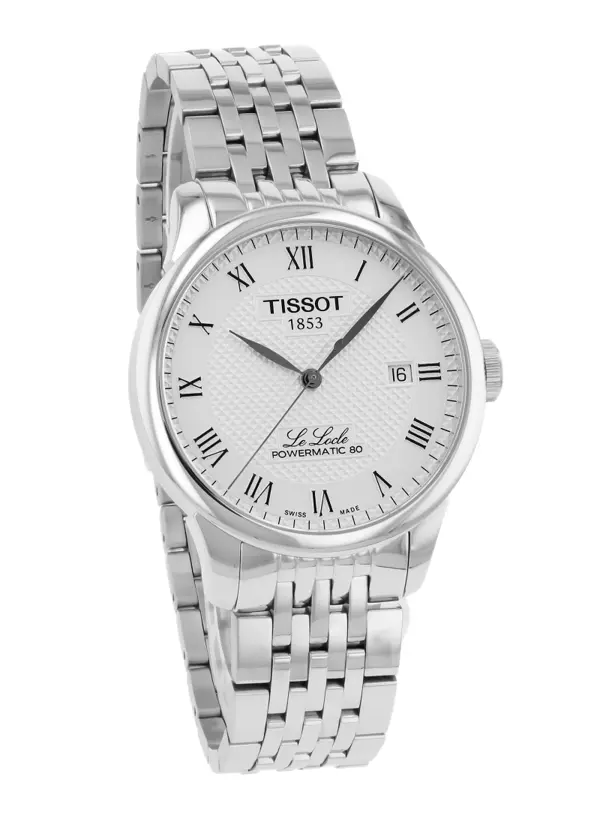
- Read the dial and case back. Many watches say "Automatic", "Quartz", "Chronometer" or the movement name, such as "Powermatic 80".
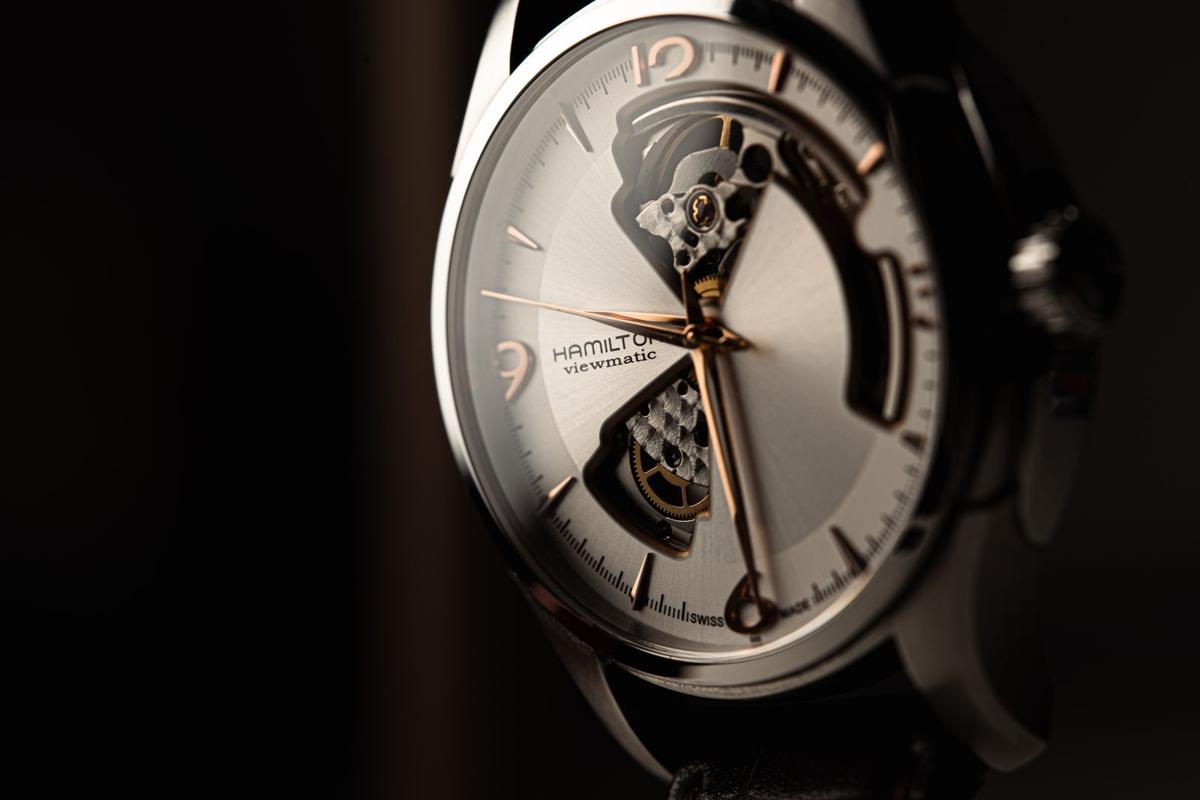
- Look at the case back. A display back showing a rotor means automatic. A small round hatch or a plain back with "battery" wording often means quartz.
- Check the listing. On our site, the movement is stated in the specifications of every watch.
Common myths
"You can overwind an automatic." You cannot overwind a modern automatic by wearing it or by winding the crown: the mainspring is designed to slip once it is fully wound. Hand-wound watches, by contrast, have a firm stop; wind until you feel resistance, then stop.
"Automatic watches must be worn every day." No. If an automatic stops, nothing is harmed. Wind it a few turns by the crown, set the time and date, and wear it. A watch winder is a convenience, not a necessity.
"Quartz watches are cheap watches." Many are, but not all. Some brands make high-end quartz movements with exceptional accuracy and finishing. Quartz is a technology, not a price level.
"Phones and speakers ruin mechanical watches." Strong magnets can magnetise parts of a mechanical movement, which makes it run fast. It is not permanent damage: a watchmaker can demagnetise a watch in minutes. Many modern movements are also built to resist magnetism.
"Mechanical means old-fashioned." Modern automatic movements use materials such as silicon hairsprings and long-lasting lubricants, which improve accuracy, resistance to magnetism and service intervals.
Do you need a watch winder?
A watch winder is a small box that turns an automatic watch while you are not wearing it, so it keeps running. It can be handy if you own a watch with a complicated calendar that takes time to reset, such as a moon phase or an annual calendar, or if you rotate between several automatics.
For a simple time-and-date watch, a winder is not necessary. Letting an automatic stop does it no harm. When you want to wear it again, give the crown a few turns, set the time and date, and put it on. If you do use a winder, choose one that lets you set the number of turns per day and the direction, and avoid running it constantly at high speed.
The best of both: hybrids
A few movements combine the two ideas:
- Spring Drive (Grand Seiko): a mainspring powers the watch like an automatic, but the timekeeping is regulated electronically, with a quartz reference. The result is a perfectly smooth, gliding seconds hand and high accuracy, without a battery. See our Grand Seiko watches.
- Solar and radio-controlled quartz: some quartz watches recharge from light, and some set themselves by radio signal. Junghans is known for radio-controlled watches.
Automatic or quartz: which should you buy?
Choose an automatic if:
- you want a traditional luxury watch, with a sweeping seconds hand and a movement you can see through a display back;
- you will wear it regularly, or do not mind setting it after a day or two off;
- you value the craft as much as the time.
Choose quartz if:
- you want the most accurate, lowest-maintenance watch;
- you rotate several watches and want to pick one up and go;
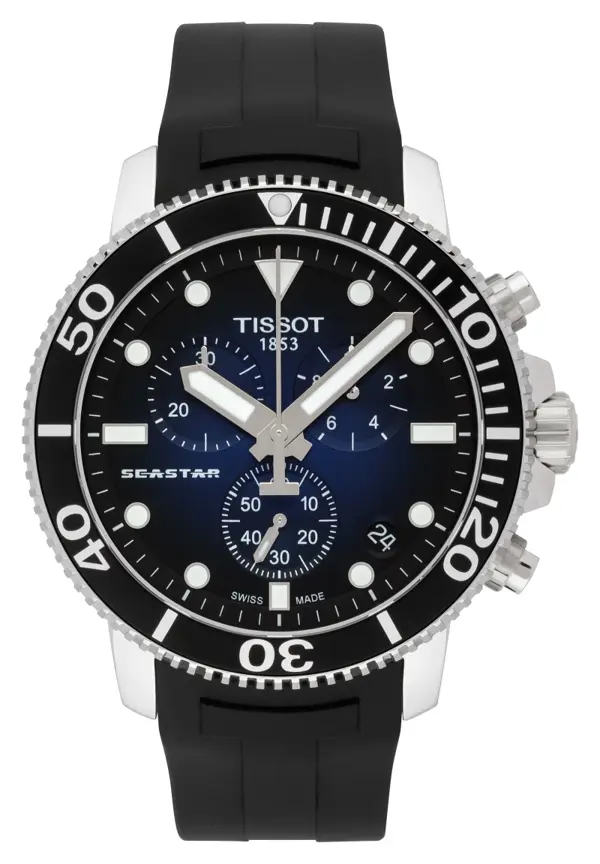
- you want a thin, light watch, or a sports watch you never have to think about.
Many collectors own both. An automatic for everyday wear and a quartz for travel or sport is a very common combination.
Where to start
Some of the best value in automatic watches comes from the Swatch Group's Swiss brands, such as Tissot and Longines, with long power reserves at accessible prices. The Tissot PRX, for example, comes in both quartz and automatic (Powermatic 80) versions, so you can choose the movement you prefer in the same design.
Each listing on our site states the movement in the specifications. If you are new to buying, read how to buy a luxury watch online safely, and for a dive-watch comparison, Rolex Submariner vs Tudor Black Bay.
Frequently asked questions
Is automatic better than quartz?
Neither is better in every way. Quartz is more accurate and needs less care; automatic watches are traditional mechanical objects that many people prefer for their craft and feel. Most luxury watches are automatic.
Do automatic watches need batteries?
No. An automatic watch winds itself as you wear it and can be wound by the crown. It stops when its power reserve runs out, and starts again when you wear or wind it.
How long does an automatic watch run off the wrist?
It depends on the movement's power reserve, usually from about 40 hours to several days. The specifications on each listing state it where known.
How often should an automatic watch be serviced?
Brands recommend intervals from several years up to about a decade for some modern movements. Service it sooner if timekeeping changes noticeably or the power reserve drops.
Why does my automatic watch gain or lose a few seconds a day?
That is normal for a mechanical movement. Certified chronometers must stay within a few seconds per day; other automatics can vary a little more. Position, temperature and how much you wear it all play a part.