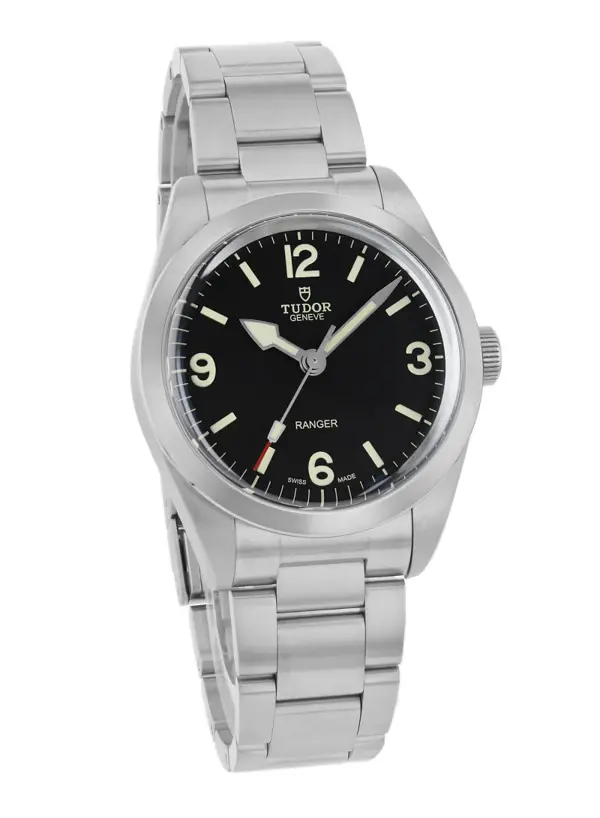
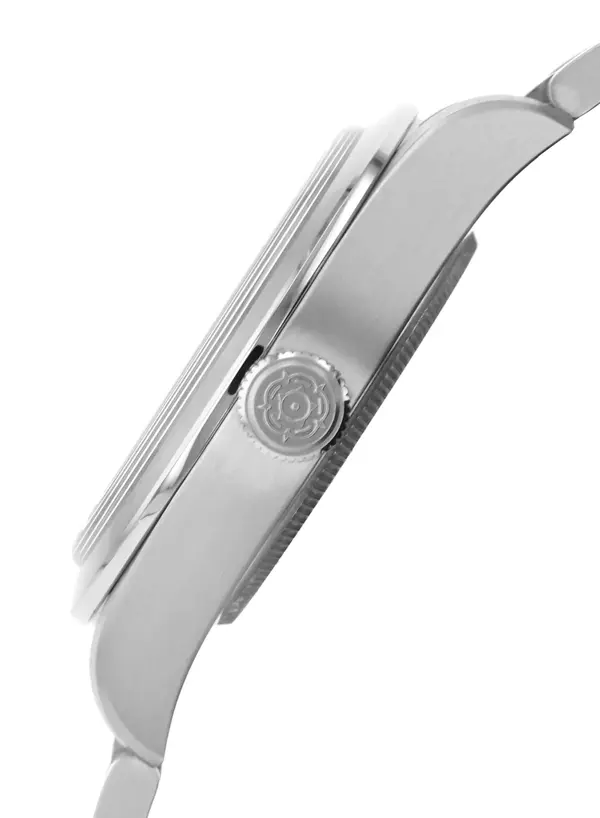
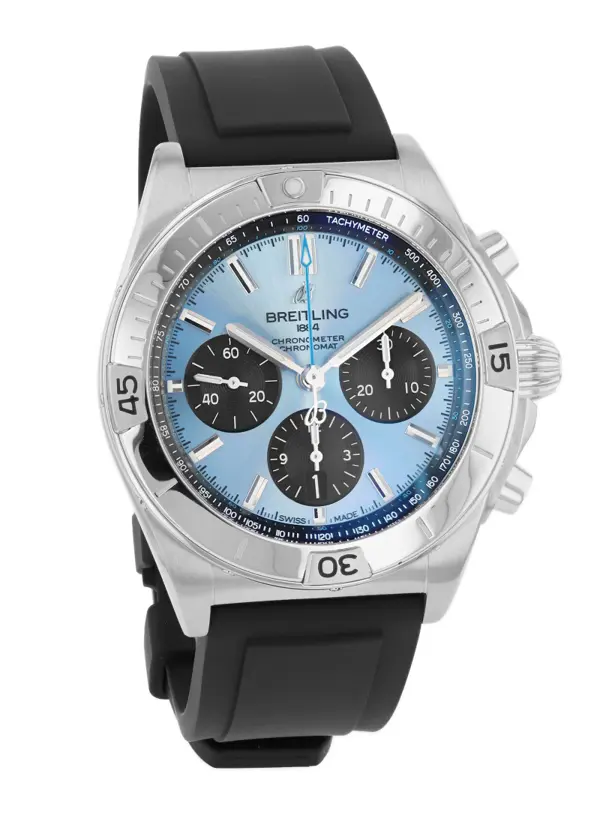
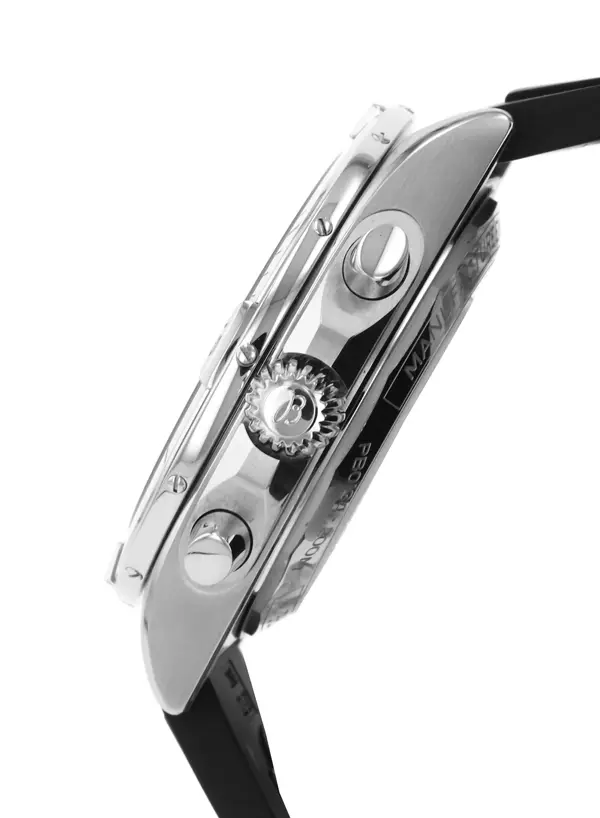
Three words appear on almost every luxury watch listing: new, unworn and certified pre-owned. They sound close, and the photos often look identical. But they describe different histories, and they can mean different warranties and different prices for the same reference.
This guide explains certified pre-owned vs unworn vs new: what each condition really means, what changes for warranty and value, and how to decide which one fits you.
The short answer
| New | Unworn | Certified pre-owned | |
|---|---|---|---|
| Worn before? | No | No | Yes |
| Signs of use | None | None | From none to light, depending on the grade |
| Typical source | Supplied through the brand's distribution | Bought, then kept unworn | Owned and worn, then inspected |
| Manufacturer warranty | Usually starts with your purchase | May already have started (check the date) | May have remaining time, or none |
| Price | Highest | Often close to new, sometimes above for hard-to-find models | Usually lower |
| Best for | Buyers who want a full warranty from day one | Buyers who want a new-looking watch that is hard to find new | Buyers who want more watch for the money |
Now the detail behind each column.
What "new" means
A new watch has never been worn and comes as the manufacturer supplies it, usually with the box, papers and any tags or protective films.
The main difference with "new" is the manufacturer's warranty. When a new watch is sold, the warranty period normally starts on the date of sale shown on the warranty card or electronic certificate. Buying new usually means you get the full period from your purchase.
New is the right choice when you want the simplest possible ownership: nothing to check, a full warranty, and a watch nobody else has worn.
What "unworn" means
An unworn watch has never been worn either. It may have been stored, displayed, or bought and kept in its box. It should show no signs of use at all: no scratches on the clasp, no marks on the case, often the protective stickers still in place.
The difference is usually on paper, not on the wrist:
- The warranty may already have started. If the watch was sold before, the date on the warranty card may be months or years ago. Check it: it tells you how much manufacturer warranty is left.
- The year matters. An unworn watch from a few years ago can be an older version of the model, with a different movement or dial than today's.
Unworn is popular for models that are hard to find new. For those references, unworn prices can be close to new prices, or even above them.
What "certified pre-owned" means
Pre-owned means the watch has been owned and worn. Certified means someone has inspected it and stands behind that inspection. Who that someone is, and what they check, is the important part.
At Watchflix, a certified pre-owned watch has been checked by our specialist before it ships, and the listing gives it a condition grade:
| Grade | What it means |
|---|---|
| Unworn | Never worn. It may have been stored or displayed, but shows no signs of use. |
| Very good | Lightly worn, with at most very faint signs of use; close to new. |
| Good | Worn, with visible but normal signs of use for its age. |
Our listings also state whether the original box and papers are included, the year where it is known, and any manufacturer warranty that still applies. You can read how we check watches on our authenticity page.
A note on brand programmes. Some manufacturers run their own certified pre-owned programmes through their official retailers, with their own guarantee. When a listing says "certified pre-owned", ask whose certification it is: the seller's own inspection, or a manufacturer programme. They are different things, and a good seller will tell you which one applies.
How the three compare on price
Prices move with demand, so there is no fixed rule. Some general patterns:
- Most references: new costs the most, unworn a little less, pre-owned less again, depending on condition and on box and papers.
- Hard-to-find references: unworn and even very good pre-owned examples can sell at or above the new price, because new ones are difficult to buy.
- Box and papers usually add value to a pre-owned watch. See why box and papers matter.
Compare prices only between watches with the same reference, condition, year and set.
How to judge condition from photos
Condition grades help, but photos tell you more. When you look at a pre-owned or unworn listing, check these places, where wear shows first:
- The clasp. The flat top of a clasp scratches against desks and laptops. Light marks here are normal on a worn watch; on an "unworn" watch there should be none.
- The case sides and bevels. Look at the edges where polished and brushed surfaces meet. Sharp, crisp edges suggest the case has not been heavily polished.
- The crystal. Sapphire crystals are very hard to scratch, but they can chip at the edge. A chip is a repair, not a scratch.
- The bezel. On dive watches, check that the bezel turns cleanly and that its insert is not scratched or faded, unless you want that look.
- The bracelet. An older, heavily worn bracelet can feel loose between links. Ask the seller if you are unsure.
If a photo is too small or too dark, ask for a better one. A seller with the watch in hand can send it quickly.
Polishing: good or bad?
When a pre-owned watch is serviced, the case and bracelet are often polished to remove scratches. Polishing removes metal. Done lightly and well, it makes a watch look new again. Done too often or too heavily, it softens the case lines and the sharp edges that the designer intended.
Many collectors prefer an unpolished watch with honest light wear to a heavily polished one, especially for sought-after models. Neither is wrong, but you should know which one you are buying. Ask whether the watch has been polished, and when.
Service history
A pre-owned watch that has been serviced recently is one fewer thing to think about for the next years. Ask:
- When was it last serviced, and by whom? A service record from the brand is the strongest evidence.
- Were any parts replaced? Original parts matter more on some models than others.
- Is there a warranty on the service? Brand services usually come with their own guarantee period.
A watch without a service record is not a problem in itself, but it may need a service sooner, so factor that into the price.
Which one should you buy?
Choose new if you want the full manufacturer's warranty from the day you buy, you plan to keep the watch for a long time, and the model is available.
Choose unworn if you want a watch that looks and feels new, but the model is hard to find new, or you have found a better price. Check the warranty date and the year.
Choose certified pre-owned if you want more watch for your budget, you are happy with light signs of wear, or you are looking for a model that is no longer made. Read the condition grade carefully and ask for photos of the clasp and case sides.
Whatever you choose, the rest of the buying process is the same. Our guide on how to buy a luxury watch online safely walks through every step.
Questions to ask about any watch
- What is the exact reference?
- What does your condition grade mean, in plain words?
- Is there a manufacturer's warranty, and what is the start date?
- Are the box and papers included?
- Has the watch been serviced or polished? When, and by whom?
- Can you send photos of the clasp, the case sides and the case back?
Shop by condition
- Certified pre-owned watches
- New arrivals
- All watches, where you can filter by condition
Frequently asked questions
Is an unworn watch the same as a new watch?
Physically, often yes: both have never been worn. The differences are usually the warranty start date and the year of production. Check both before you buy.
Is certified pre-owned worth it?
For many buyers, yes. A well-graded pre-owned watch can offer excellent value, especially with box and papers. What matters is who certified it and how clearly the condition is described.
Does a pre-owned watch still have a warranty?
Sometimes. If the manufacturer's warranty is still running, it transfers with the watch in most cases; the listing should say when it started. Otherwise, ask what the seller offers.
What does "very good" condition mean?
At Watchflix it means lightly worn, with at most very faint signs of use: close to new. Other sellers use their own scales, so always ask.
Why do some unworn watches cost more than new?
Because the new watch is hard to buy. When demand is higher than supply, buyers pay more for a watch they can have today.